

Biosecurity starts before an outbreak: The role of routine disinfection
An outbreak is the worst time to find out your disinfection protocols aren’t strong enough. With the bird flu outbreak bringing biosecurity into sharper focus across Australia, animal care facilities are being reminded just how quickly infectious diseases can spread and why strong, consistent infection control procedures matter.
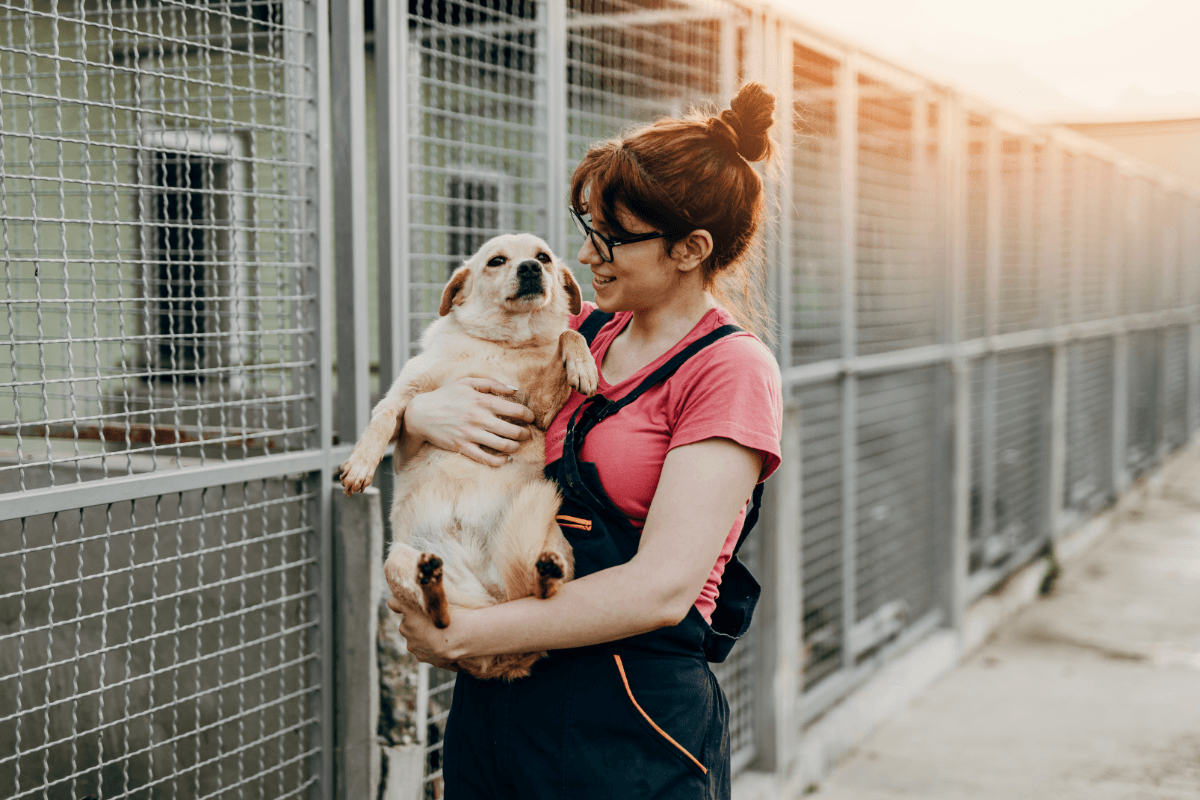
That risk looks different from one facility to another. Vet clinics need to protect their patients. Pet boarding facilities need to keep animals safe while giving owners reassurance. Animal rehoming centres manage high turnover and unknown health histories. Zoos, horse stables, breeders and greyhound facilities all face the same challenge: reducing the risk of disease spread in busy, shared environments.
That’s why biosecurity shouldn’t just start when there’s already a problem. It needs to be part of your everyday routine.
What role does routine disinfection play in biosecurity?
Routine disinfection helps reduce the chance of harmful pathogens spreading through shared spaces, surfaces and equipment.
In any animal care setting, there are plenty of high-touch and high-risk areas. Floors, kennels, cages, treatment tables, wash bays, transport crates, stable doors, grooming areas, feed rooms, lead ropes and handling equipment can all become part of the transmission chain.
This is especially important when animals are moving in and out regularly, or when new animals arrive with unknown health status.
A good biosecurity protocol doesn’t rely on panic cleaning and disinfecting when something goes wrong. It uses clear, consistent cleaning and disinfection practices every day to help protect animals, staff, visitors and the wider facility.
Is cleaning enough on its own?
Cleaning is essential. It removes visible dirt, organic matter, hair, faeces, urine, saliva and other debris from surfaces.
But cleaning alone may not deal with the pathogens left behind. And that’s why disinfection is so important.
The best process is simple: clean the surface first, then apply the disinfectant as directed. When staff can follow the process easily, they’re more likely to do it properly and consistently.
That matters in animal care environments where teams are busy, animals need attention, and downtime needs to be kept to a minimum.
Why should animal care facilities choose an APVMA-approved disinfectant?
In Australia, it’s important to choose a veterinary disinfectant that is approved by the Australian Pesticides and Veterinary Medicines Authority, known as the APVMA.
APVMA approval gives animal care facilities confidence that the product has gone through a recognised regulatory process. It also means the product has approved label directions, claims and clear usage instructions that teams can follow easily.
Biosecurity shouldn’t be based on guesswork. The disinfectant you use should be suitable for the environment, the level of risk and the animals in your care.
Why does no-rinse disinfection make a difference?
The effectiveness of a disinfectant is important, as is safety after application.
Many animal care environments can’t leave spaces empty for long periods. Kennels, consult rooms, treatment areas, transport crates, stable zones and holding areas often need to be back in use quickly. That’s why it helps to use a disinfectant that is safe for use around animals after application and doesn’t need to be rinsed off.
A no-rinse process also strengthens biosecurity. It lowers the chance of missed steps and ensures staff follow the protocol properly, even on busy days.
Where does Safe4 Veterinary Disinfectant fit into biosecurity?
Safe4 Veterinary Disinfectant is designed for animal care environments that need reliable infection control while keeping safety practical for everyday use.
It can be used across a wide range of settings, including vet clinics, kennels, boarding facilities, animal rehoming centres, zoos, wildlife facilities, stables, breeders and greyhound facilities. Essentially, anywhere where biosecurity is important.
Used as directed, Safe4 Veterinary Disinfectant fits easily into routine biosecurity protocols. Clean the surface first, apply the disinfectant, and the area is protected without needing to rinse it off.
That makes it a practical choice for facilities that need effective disinfection, simple processes, and a product suitable for use around animals after application.
Want to strengthen your biosecurity protocols?
Biosecurity is most effective when it’s proactive, with protocols built into everyday routines.
Routine disinfection helps reduce risk before there’s a confirmed illness or emergency. It helps protect animals, supports staff, and keeps facilities cleaner and safer day-to-day.
To learn more about Safe4 Veterinary Disinfectant and how it can support your biosecurity protocols, contact Safe4 Australia today.