
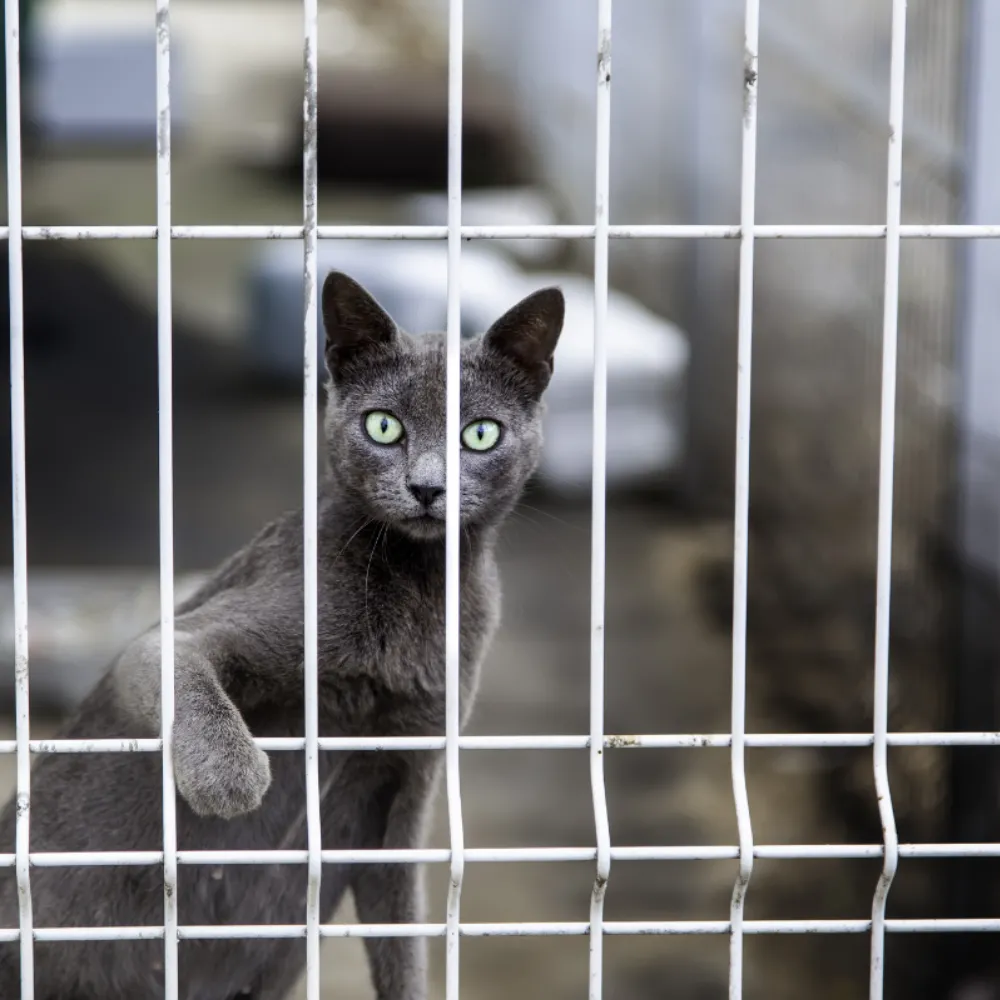
The science behind enzymatic odour control
If you work in a vet clinic, kennel, cattery, or zoo, you know how stubborn animal odours can be. Even after cleaning, that faint smell of urine or animal waste…


Spring is the ideal time to refresh your infection control routine. From cleaning before disinfecting to choosing the right veterinary-safe products, a seasonal reset ensures your clinic or animal care facility is prepared for the busy months ahead.
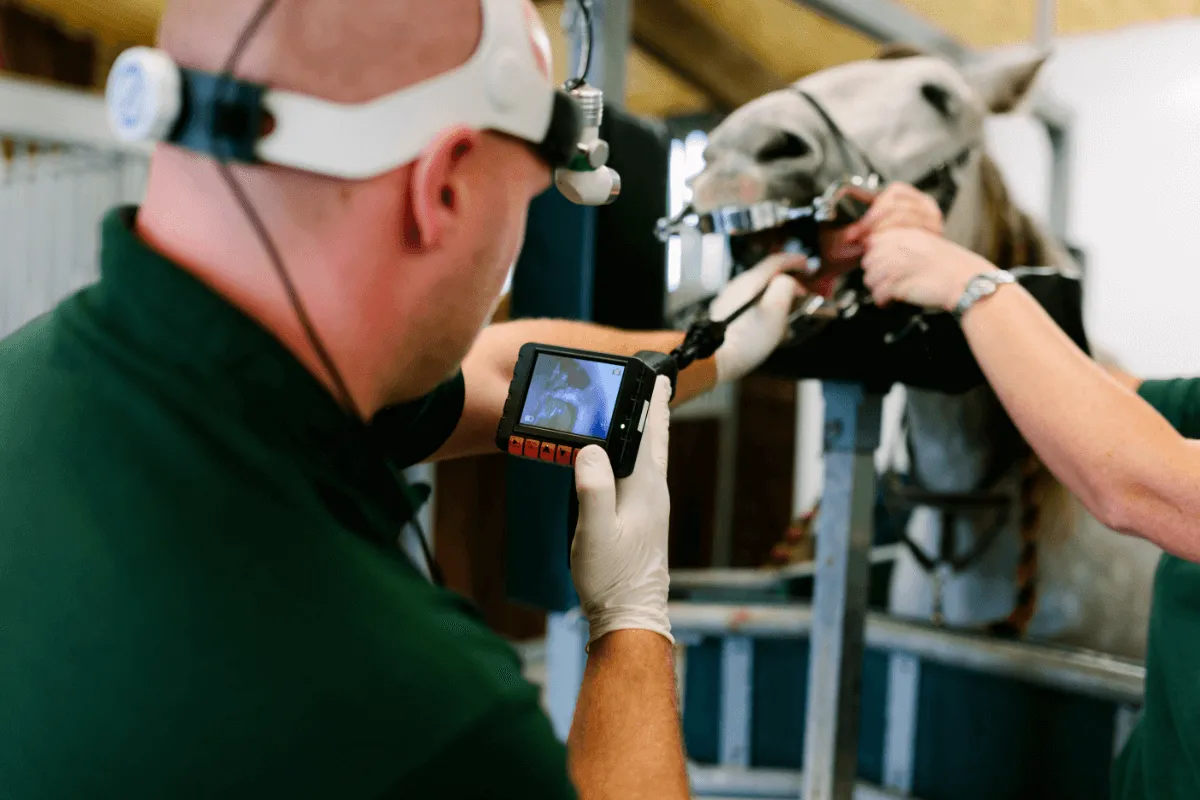
Equine vets face tough cleaning challenges, from dried blood to stubborn fats on delicate instruments. Safe4’s Triple Enzyme Instrument Cleaner uses protease, amylase, and lipase to break down organic matter without damaging tools, keeping your equipment in top condition and your patients safe.
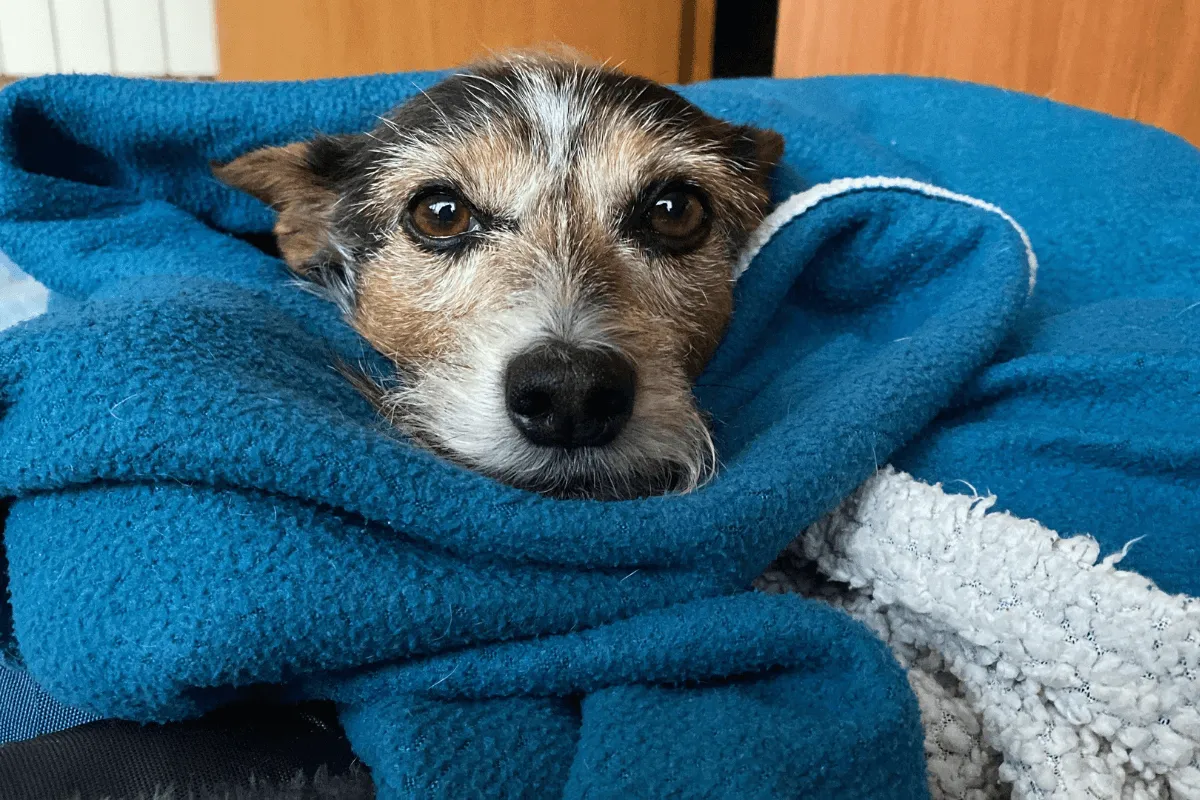
Here are four practical ways to stay ahead of animal odours this winter and keep your space smelling clean and welcoming.
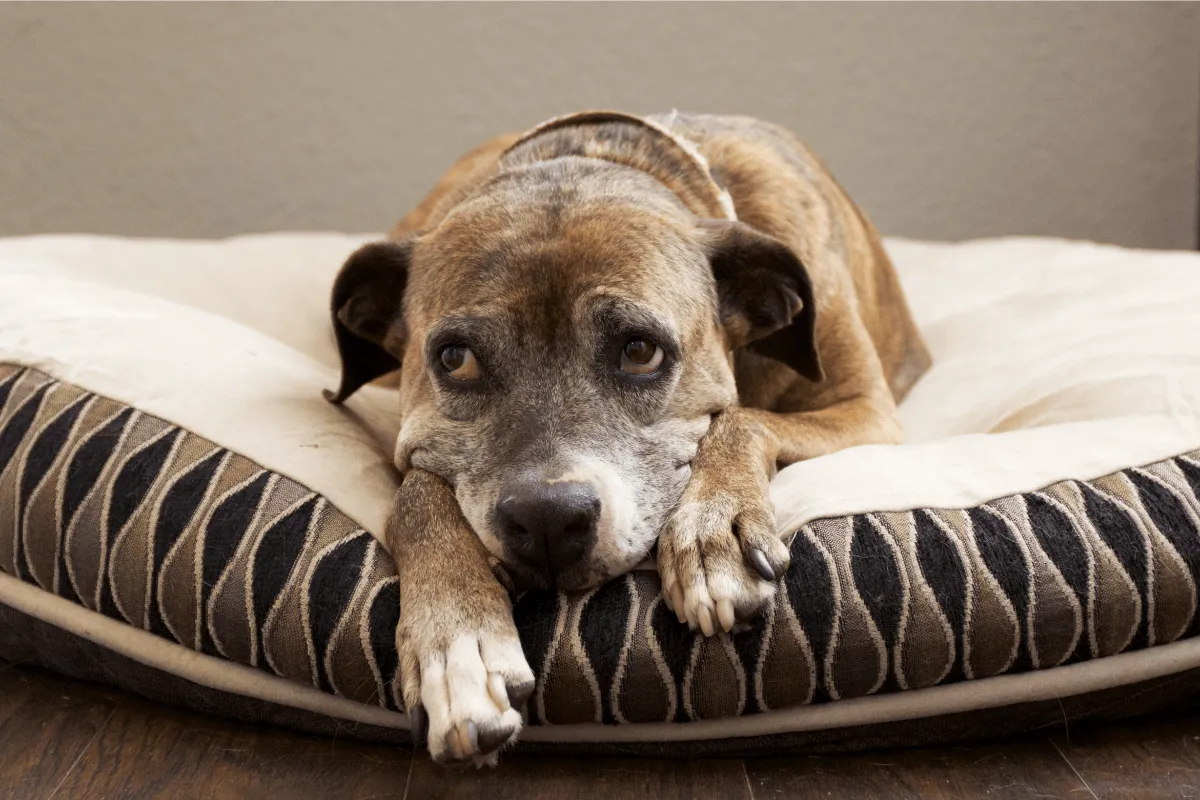
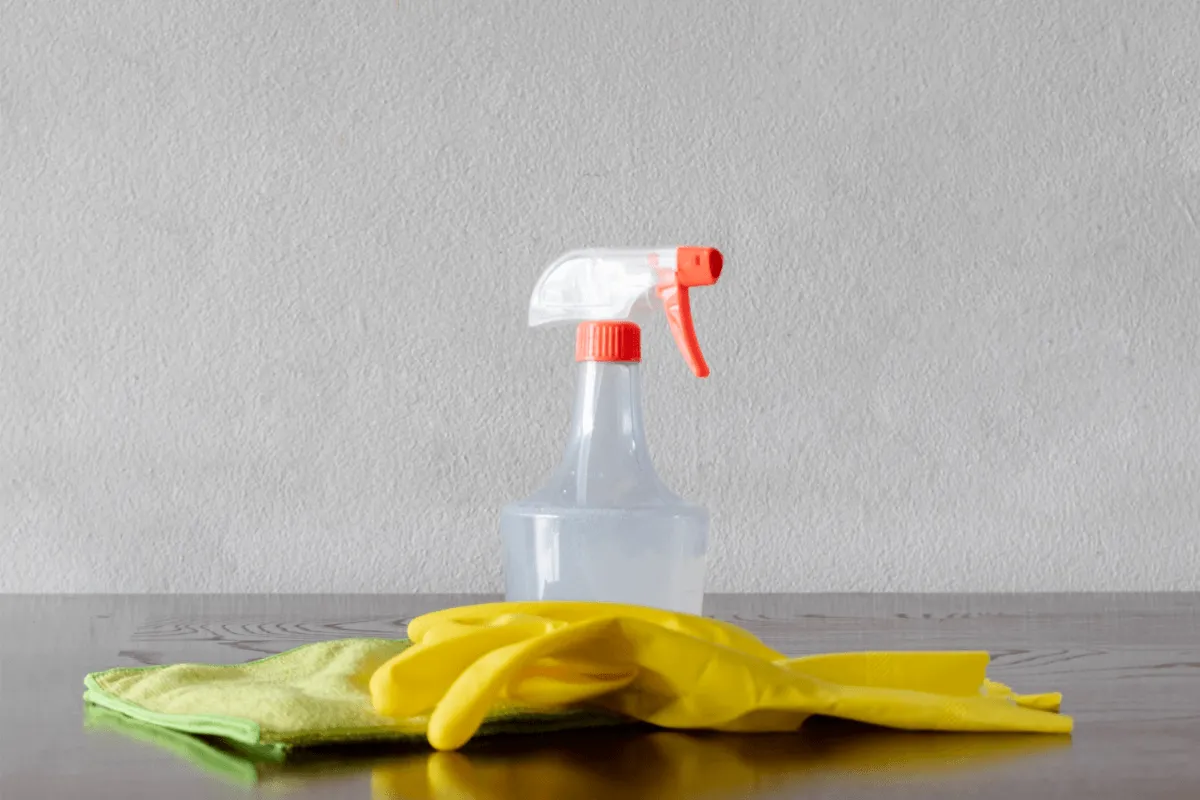
One question we often get asked is: “How important is it to get the dilution of veterinary disinfectant exactly right?” The short answer? Very.
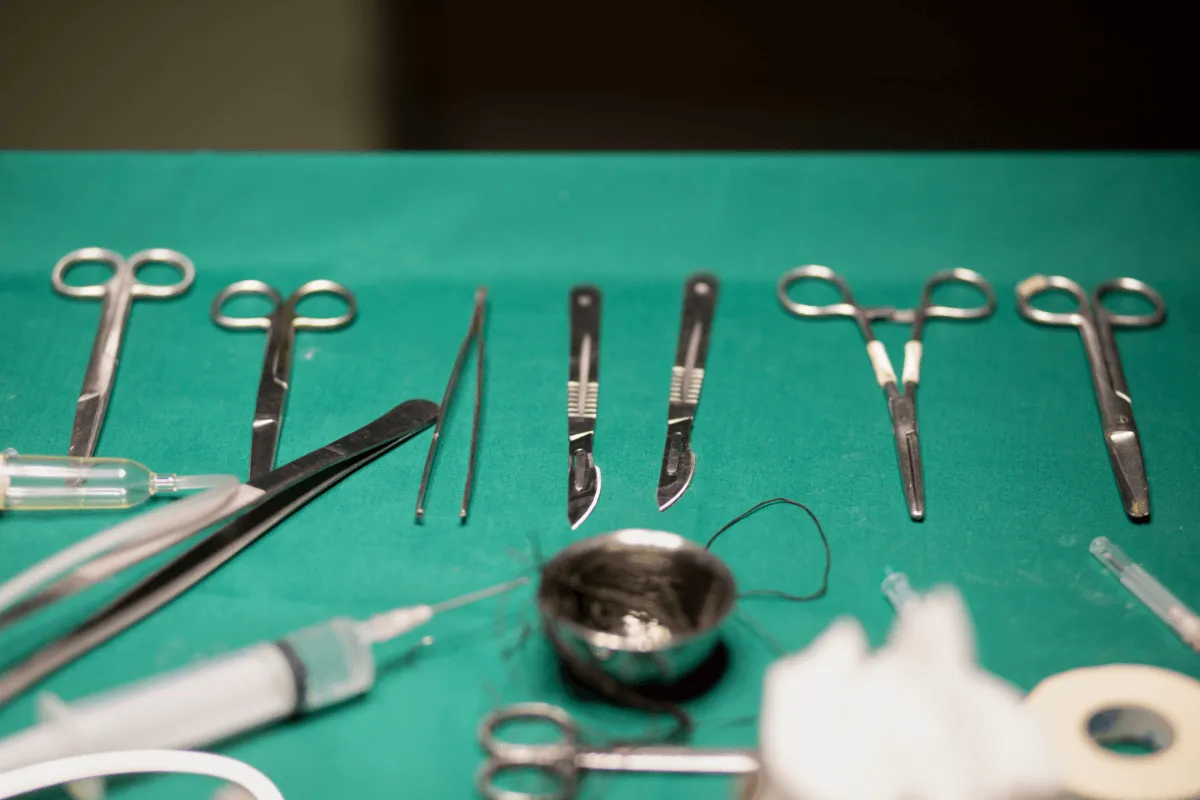
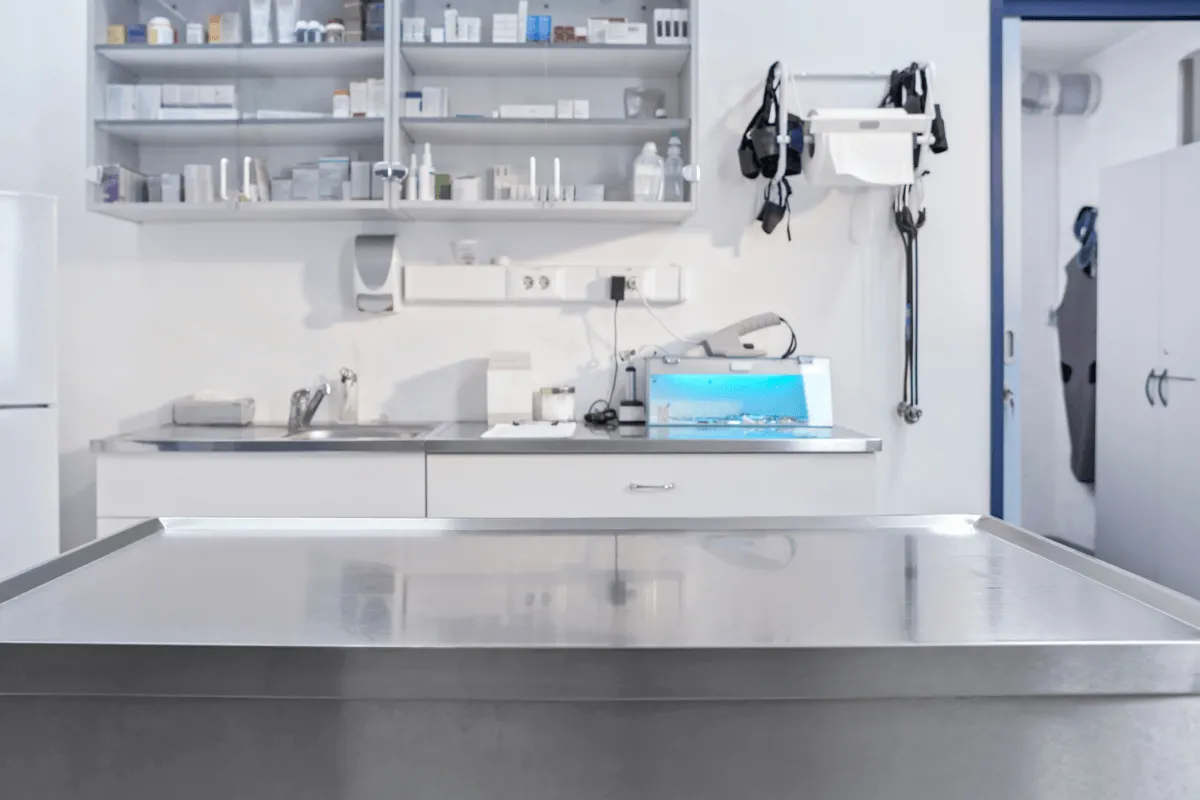
This guide outlines the key disinfecting steps and considerations to ensure your animal care facility remains clean, safe, and compliant with industry standards.
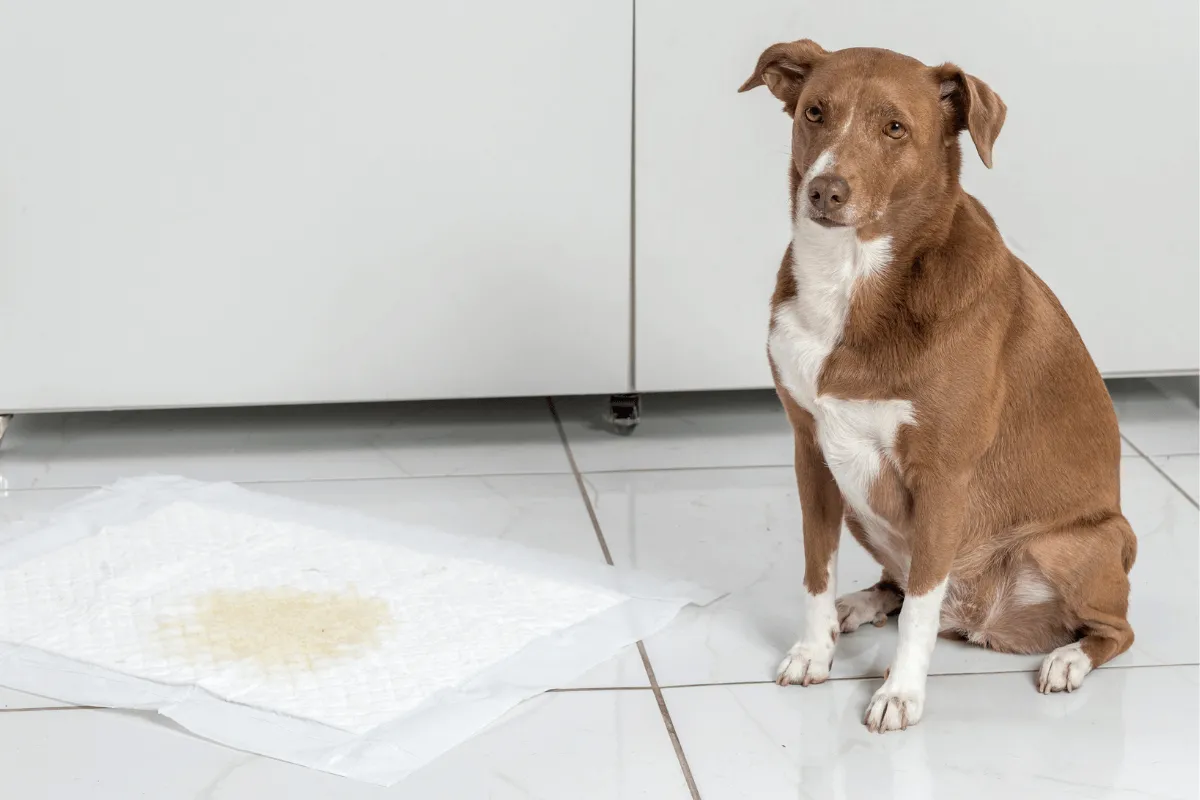
Eliminating animal odours is an ongoing challenge faced by anyone in the animal care industry. So, what makes animal odours so persistent, and how can they be effectively removed?
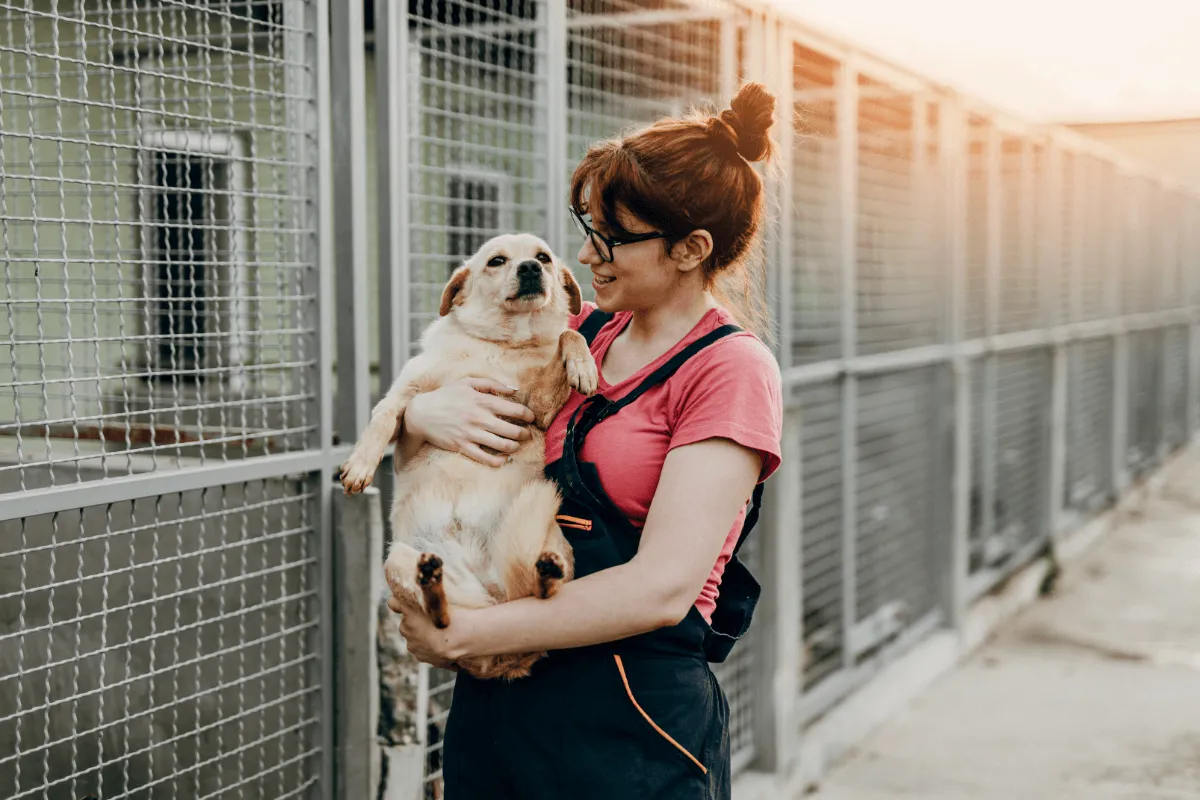
Canine parvovirus (parvo) and feline panleukopenia (panleuk) are highly contagious diseases, making prevention of outbreaks essential to protect your facility and the animals in your care.