

The science behind enzymatic odour control
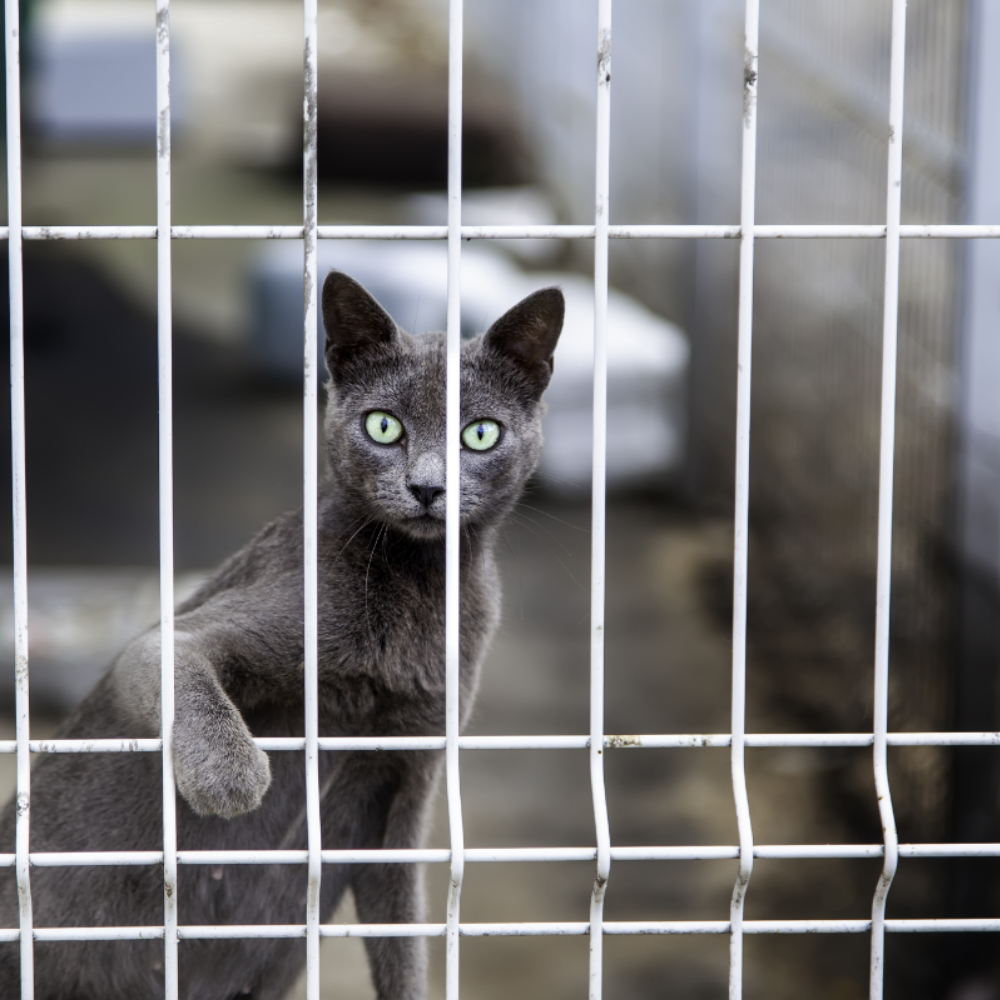
If you work in a vet clinic, kennel, cattery, or zoo, you know how stubborn animal odours can be. Even after cleaning, that faint smell of urine or animal waste often lingers. That’s because most cleaning products only remove surface residue, not the odour-causing compounds beneath it. That’s where enzymatic odour control makes the difference
How enzymes work on odours
In simple terms, enzymes proteins that speed up chemical reactions. When it comes to odour control, enzymatic cleaners use specific enzymes to break down the organic compounds that create smells, such as like uric acid in urine or proteins in faeces.
Animal urine is made up mostly of water, but the part that causes the smell – uric acid crystals – doesn’t dissolve easily. Standard cleaning products can remove surface residue but leave those crystals behind, never fully eliminating the odour.
Enzymatic cleaners target these crystals at a molecular level. The enzymes attach to the uric acid and break it down into harmless by-products such as carbon dioxide and ammonia, which quickly evaporate. The result is true neutralisation, not masking of smells.
Why enzymatic cleaners are so effective
Traditional cleaners deal with the visible mess, while enzymatic cleaners go further by tackling the source of the problem. This is especially important in animal care environments, where urine and faeces appear several times a day, and feature porous surfaces like grout, flooring, and bedding that can trap odours deep within. Enzymes speed up natural decomposition processes that would otherwise take days or weeks, breaking down organic matter quickly and effectively to keep facilities truly clean and fresh.
That’s why enzymatic odour control products – like Safe4’s Odour Killer – are the preferred choice in professional animal care settings.
Safe for animals, staff, and surfaces
Science isn’t just about performance. It’s also about safety. Safe4’s Odour Killer is formulated to be non-toxic, non-corrosive, non-irritant, and non-staining. It contains no phenols, aldehydes, or alcohol, and is fully biodegradable.
That means you can use it confidently around animals, staff, and delicate surfaces without needing to rinse off after application like many other odour control products. The enzymes in Safe4’s Odour Killer do the work naturally, without harsh chemicals or lingering residues.
Once you see how effective enzymatic odour control is, you won’t go back to standard cleaning products. Safe4 Odour Killer is trusted by major zoos, university research facilities, kennels, catteries, and vet clinics across Australia.
To learn more about Safe4’s Odour Killer, contact the Safe4 team on 1300 661 821 or email info@safe4-aust.com.au.