

The dangers of using toxic cleaners in animal care settings
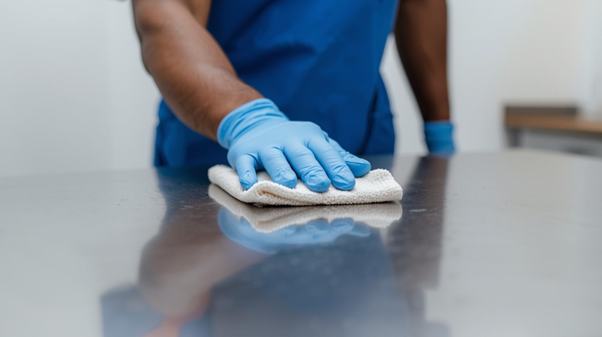
If you work in a vet clinic, pet boarding facility or animal rehoming centre, you know how important it is to keep your environment clean and disinfected. Cleaning and disinfecting every surface, cage and piece of equipment plays a vital role in preventing cross-contamination. You want to safeguard the animals you care for, protect your team and minimise risks for the wider community. However, the wrong products can work against you. Toxic cleaners in animal care settings often create new risks while you’re trying to reduce them.
Why regular cleaners can be risky
Alcohol, phenols, aldehydes and strong acids appear in common cleaning and disinfecting products. They can kill germs, but they can also put animals at risk if they walk across or come into contact with a wet surface, then groom themselves and ingest residue. These cleaners can also irritate your staff’s skin, eyes and airways
You deal with enough each day. You don’t need cleaners that add extra stress.
The unique challenges of animal care environments
Vet clinics and other animal care settings deal with organic matter, constant movement and animals with varying health needs. These environments need cleaning and disinfecting products that stay effective in these demanding conditions.
When choosing your products, it’s important to take note of the active ingredients.
- Alcohol works fast, but evaporates quickly and offers no lasting protection.
• Bleach kills many pathogens, but becomes inactive when combined with certain detergents or sunlight. It also irritates eyes and airways.
• Phenolic disinfectants can be toxic to cats.
• Aldehydes are effective but are irritants and carcinogens.
This is why choosing safe, veterinary-specific cleaners and disinfectants is so important.
How toxic cleaners affect animals
Animals experience the world at ground level. They lick surfaces, breathe close to floors and groom themselves often. Even small amounts of residue can lead to health issues. Young animals, senior pets and those recovering from illness feel the effects even faster.
That’s why you need products that keep them protected, not one that puts them at risk during routine cleaning.
The impact on your team
Your staff use cleaners all day. They spray surfaces, wipe down consult rooms, clean cages and wash their hands constantly. Harsh chemicals turn into ongoing exposure. Stinging hands, irritated eyes or strong fumes shouldn’t be part of anyone’s shift.
The importance of using non-toxic, veterinary-specific products
Using APVMA assessed and certified options gives you confidence. You get strong pathogen control without the risks that come with corrosive ingredients or harmful residues. You also save time because you don’t need to rinse surfaces after use.
Want to try a safer option?
If you’ve ever finished a shift with stinging hands or irritated eyes, you’re not imagining it. Harsh cleaners take a toll. Safer, non-toxic products remove that problem and keep your workplace safer for you, and the animals that you care for.
Safe4 products are non-toxic, APVMA certified and created specifically for animal care settings. If you want to see the difference for yourself, you can request a free sample and try it in your clinic or facility.
You can call our team on 1300 661 821 or email info@safe4-aust.com.au.