

Preparing for peak season: Infection control essentials for pet boarding facilities
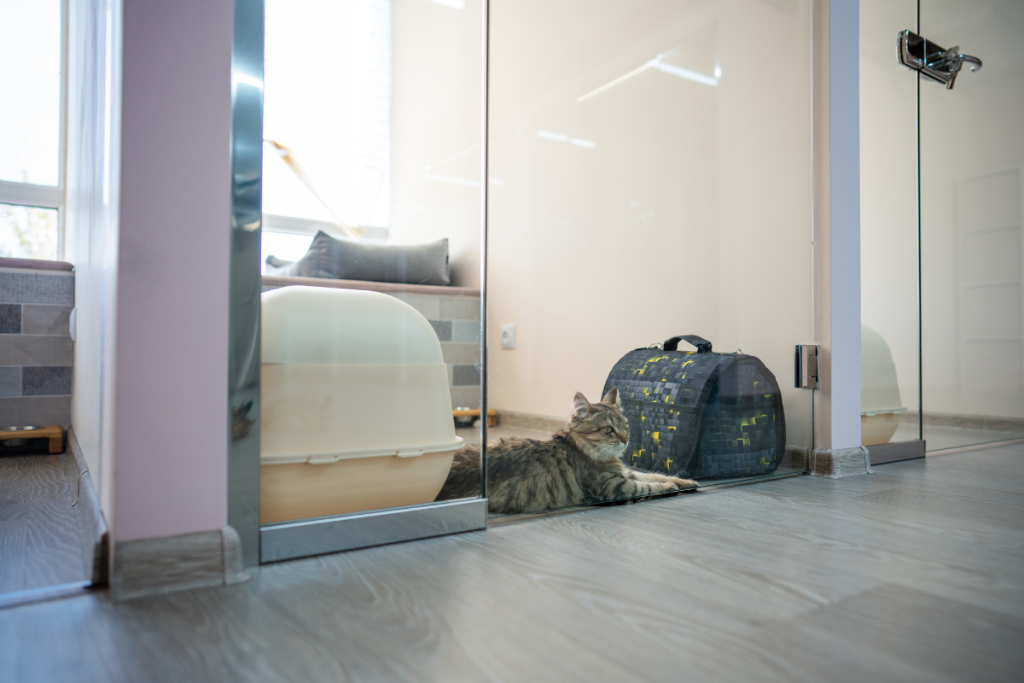
With Christmas and the summer holidays approaching, catteries, kennels and pet boarding resorts are gearing up for their busiest – and most demanding – time of year. Higher booking volumes, full-day turnovers and an increased mix of animals mean one thing: your infection control systems need to be rock solid.
While a clean, safe and disease-free environment is essential year-round, during peak season, the risk of cross-contamination rises significantly. Now is the perfect time to review your infection control protocols and make sure they’re effectively protecting the animals you’re caring for, along with the staff in your pet boarding facility.
Here are the key areas to review before the holiday rush begins.
Is your cleaning and disinfection process clearly defined?
A consistent, easy-to-follow cleaning and disinfection process is the backbone of strong infection control, especially when your facility is operating at full capacity.
Your protocol should outline how to correctly clean and disinfect:
- Individual cat or dog housing
- Play yards and exercise runs
- Crates, carriers and resting areas
- Feeding stations and high-use contact points
- Any other shared or multi-use surfaces
Clear, repeatable systems help reduce mistakes when your team is working at speed during peak periods.
Are you choosing safe and effective disinfectant products?
During high-intake seasons, product choice matters more than ever. Veterinary-grade disinfectants that are non-toxic and safe for animals and people are essential for controlling the spread of disease in boarding environments.
Traditional cleaners such as bleach, ammonia, or products containing alcohol, phenols or aldehydes may appear effective but can create serious risks. Animals may walk across or lie on treated surfaces, then groom themselves and ingest residue. Staff may also experience irritation to their skin, eyes and airways.
A quick safety check: If the instructions say you must rinse off the product, it contains ingredients that aren’t safe for use around animals.
Safe4 veterinary disinfectant is specifically formulated for animal care environments. It’s non-toxic, non-staining and non-irritant, and can be used confidently across all hard surfaces with no need to rinse. It’s also proven effective against pathogens commonly encountered in pet boarding facilities, including parvovirus, coronavirus, canine cough, MRSA, FIV and E. coli.
Are you removing dirt and debris before disinfecting?
Busy holiday turnover schedules can make it tempting to rush through steps, but skipping pre-cleaning reduces your disinfectant’s effectiveness.
A quick clean with hot soapy water and sweeping floors before mopping helps remove organic matter that can block disinfectants from working properly. This extra step is vital to maintaining hygiene and preventing disease spread when occupancy is high.
Are your disinfectant dilution ratios being followed correctly?
Correct dilution is essential for disinfectants to work as intended. Too much water weakens the solution, reducing protection. Too little water creates an overly concentrated mix, wasting product unnecessarily.
Make sure every team member, including seasonal staff, understands and follows the correct dilution ratios.
Need support before the holiday rush?
If you have any questions about infection control protocols for your cattery, kennel or pet boarding resort, the Safe4 team is here to help.
Call 1300 661 821 or email info@safe4-aust.com.au.