

Common odour hotspots in vet clinics and how to remove them
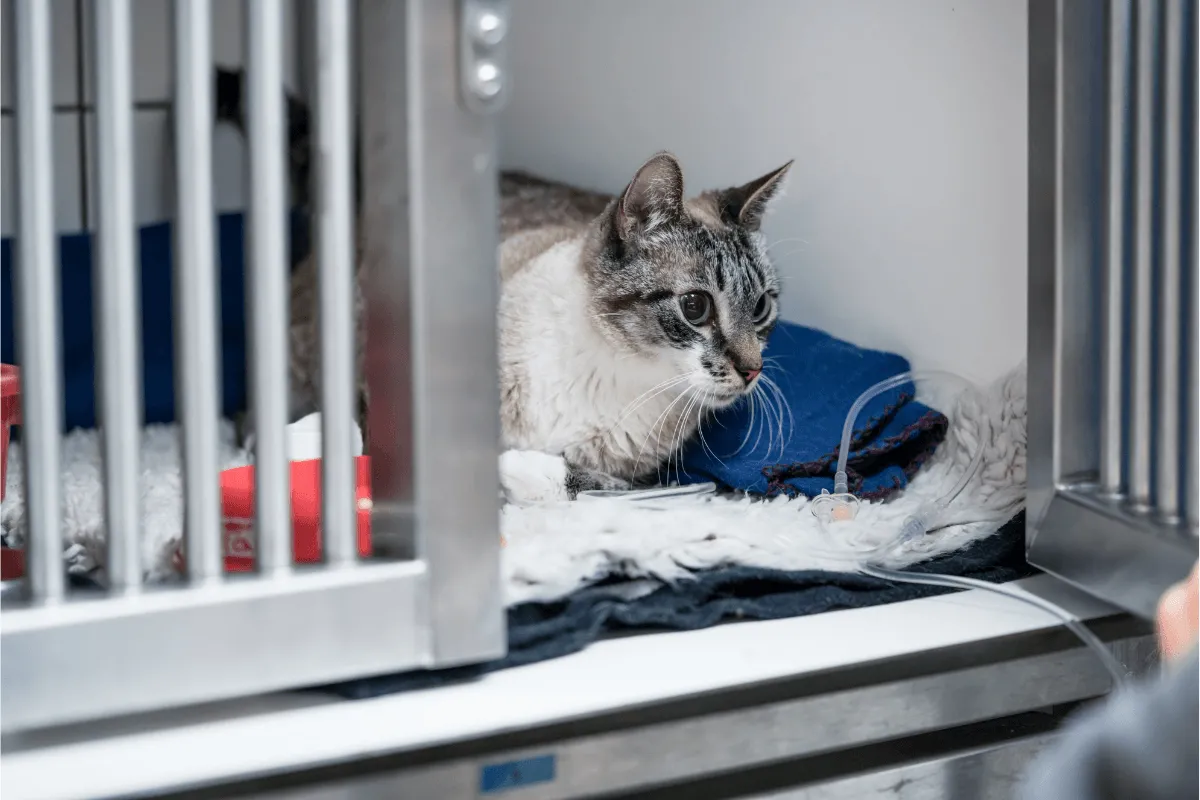
Odour hotspots in vet clinics can build up fast. You’re dealing with urine, faeces, saliva, and dander across multiple surfaces, all day. You clean constantly, yet the odours keep coming back. If you don’t tackle the source properly, the smell never really leaves.
Here’s where those problem areas are, and what actually works to fix them.
Animal cages and bedding
Cages and bedding are some of the biggest odour hotspots in vet clinics. Animals spend hours here, often when they’re stressed or unwell. Accidents happen and fluids soak into fabrics and porous surfaces.
If you don’t stay on top of it, bacteria builds quickly.
What helps:
- Remove waste immediately, don’t wait for scheduled cleans
- Wash bedding daily on a hot cycle
- Rotate bedding so nothing sits damp or soiled
- Use an enzymatic cleaner to break down residue, not just mask it
Treatment rooms and high-traffic areas
Treatment rooms see constant movement with animals in and out all day, and each one brings its own set of odours.
You’re dealing with saliva from procedures, urine from nervous pets, and sometimes blood or other organic matter. These spaces quickly become hidden odour hotspots in vet clinics because this organic matter can spread across benches, floors, and equipment.
What helps:
- Clean between every patient, not just at the end of the day
- Don’t forget floors and lower surfaces where splashes land
- Use a product such as Safe4’s Odour Kill that targets organic material at a molecular level
Isolation wards
Isolation wards are one of the toughest areas to manage. You’re often dealing with diarrhoea, vomiting, and infectious conditions. The odour is often stronger and can linger longer.
What helps:
- Increase cleaning frequency throughout the day
- Use veterinary disinfectant approved by the APVMA to avoid cross-contamination
- Apply an enzymatic odour eliminator directly to affected areas
If odours aren’t fully removed, they can trigger repeat marking or stress in animals. That makes the problem worse.
Outdoor areas and artificial grass
Many vet clinics have outdoor spaces or artificial grass runs. Using surfaces such as concrete, tiles or fake grass might seem easier to manage, but they trap odours fast. Urine seeps in and heat can make smells stronger. Over time, this area can become one of the worst odour hotspots in vet clinics.
What helps:
- Rinse regularly to reduce build-up
- Apply odour eliminator directly to the surface
- Don’t rely on water alone, as it won’t remove embedded residue
Being so porous, artificial grass needs proper treatment, otherwise the smell sticks.
Why do odours come back?
If you’re not using an enzymatic odour removal product, you’re not eliminating the smell at its source. That’s because organic residue stays behind, bacteria continue feeding on it, and ammonia from urine lingers. Traditional cleaners don’t solve this. They may cover the smell, but won’t remove it.
A better way to eliminate odours
To fix odour hotspots in vet clinics, you need to target the source. That’s where enzymatic products like Safe4 Odour Kill come in.
They work by using enzymes to find the exact molecules causing the smell and break them down into odourless compounds, so the source is removed rather than hidden.
You simply spray it onto the affected area and there’s no need to rinse. It’s safe to use around animals and works across surfaces like flooring, bedding, and artificial grass. That makes it practical in a busy vet clinic.
Take control of odours in your clinic
You can’t avoid animal odours completely, but you can control them.
If you’re dealing with persistent animal odours in your vet clinic, it’s time to change your approach. Safe4 Odour Kill is used in vet clinics, animal rehoming centres, zoos and boarding facilities across the world. If you want your clinic to smell clean the moment someone walks in, this is a simple place to start.
Call 1300 661 821 to learn more or place an order.