

Canine cough prevention this winter
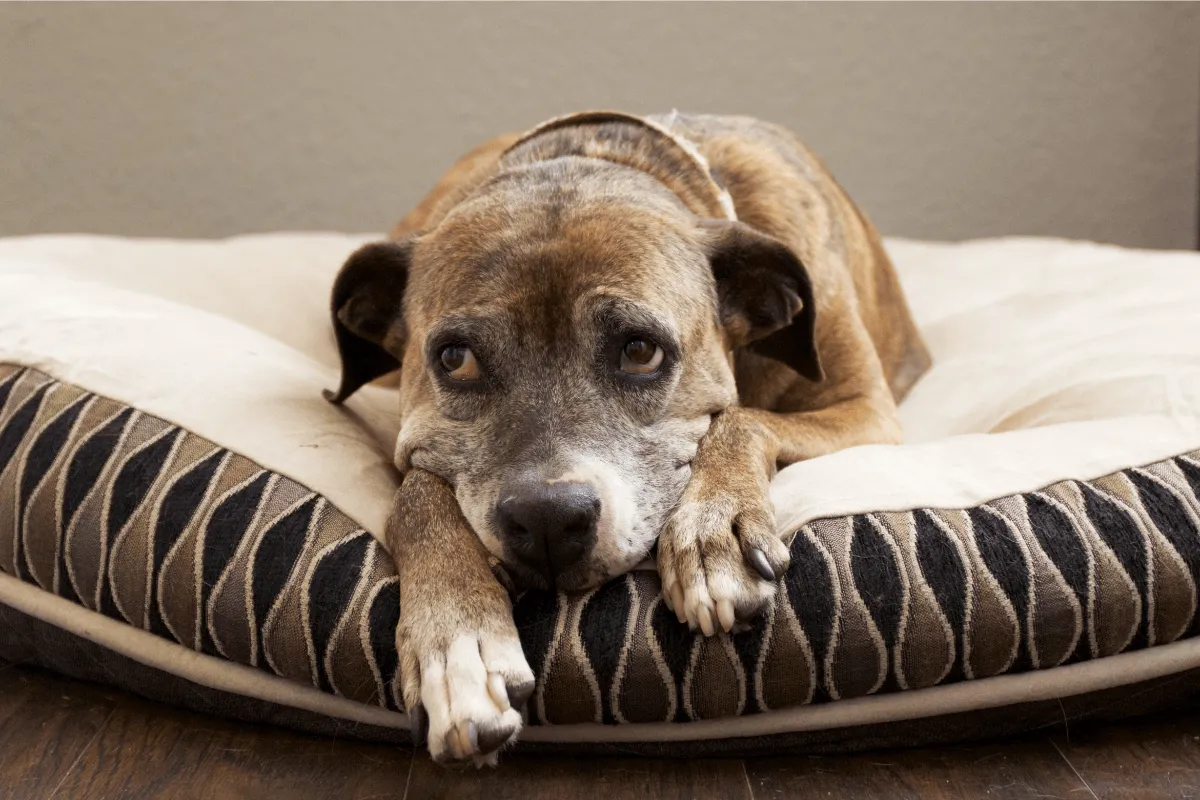
With colder weather settling in and dogs spending more time indoors or in closer quarters, canine cough cases are increasing across the country. Vet clinics, boarding kennels, and doggy daycare facilities are all reporting increased numbers, and this trend tends to escalate quickly during winter.
Why winter increases the risk
Canine cough spreads rapidly when dogs are in close proximity to each other, and that’s exactly what happens during the colder months. Whether it’s at a vet clinic, a grooming salon, a boarding facility or dog park, all it takes is one infected dog for the virus to spread. Infected dogs can shed canine cough germs for weeks after symptoms have resolved, making it hard for owners to know when they are no longer contagious.
Infection control that works in real life
The key to canine cough prevention is a reliable, consistent disinfection protocol that everyone on your team can follow, even on the busiest of days.
If you manage a vet clinic, animal shelter or pet boarding facility, your infection control plan should include thorough cleaning and disinfection of:
For boarding and kennels:
- Individual dog pens and runs
- Feeding areas and bowls
- Grooming spaces and shared equipment
- Crates, bedding, and common surfaces
For veterinary practices:
- Waiting areas
- Consult rooms and surgical spaces
- Treatment and recovery zones, including crates and bedding
Choosing the right disinfectant
Not all disinfectants are safe to use around animals, and not all are effective against the pathogens responsible for canine cough.
Bleach, for example, will kill bacteria, but it comes with downsides. It can irritate airways and skin, isn’t safe to use around animals without rinsing, and isn’t always practical for regular use in busy environments.
That’s why many animal care facilities turn to Safe4 Veterinary Disinfectant. It’s proven to be effective against the bacteria and viruses that cause canine cough, without containing any harmful or toxic ingredients. You can safely use it around animals, even without rinsing, and it won’t damage equipment or surfaces over time. It’s an ideal solution for day-to-day use in both clinical and boarding settings.
Infection control is key for effective canine cough prevention
Winter creates the perfect storm for the spread of canine cough, but with the right approach to infection control, you can significantly reduce the risk of it affecting your animal care facility.
If you’re reviewing your canine cough prevention protocols, now’s the time to make sure your disinfectant is up to the task. At Safe4, we’re here to help make infection control easier, safer and more effective.
To learn more about our veterinary disinfectant or place an order, get in touch with the Safe4 team today.